
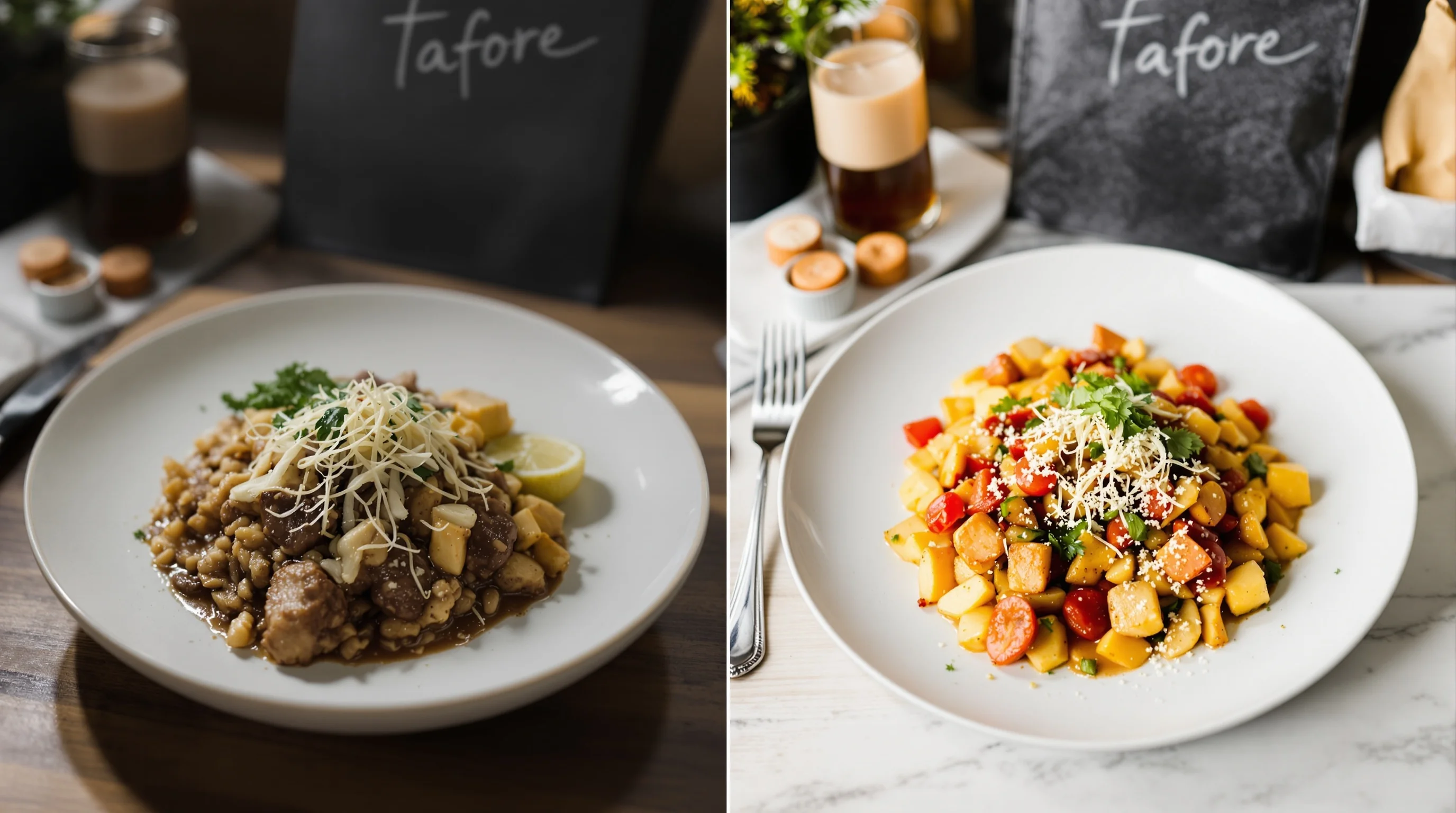
Introduction: Visuals sell food. For busy restaurant owners and marketing managers, producing consistent, appetizing images is a daily challenge: traditional food photography is expensive, time-consuming and often impractical for rapid menu changes. This article explains why AI restaurant photo services matter, how they work, and when they make sense alongside or instead of studio shoots. You will find data-backed benefits, real ROI examples, guidance on authenticity and compliance concerns, and practical steps to implement AI images on DoorDash, Grubhub, Uber Eats and social channels.
The problem with traditional restaurant photography
Many restaurants still rely on periodic photoshoots: hiring a stylist, photographer and renting time to capture 15–25 dishes. That workflow can cost $1,000–$3,000 and takes days to schedule and execute. For small operators, the cost and logistics make frequent updates impossible. Outdated or low-quality photos reduce online conversions, and restaurants lose sales when menu photos look dull or inconsistent.
Beyond cost, traditional shoots can create inconsistent visuals across channels. A studio look that works on a printed menu may not translate to a vertical Instagram post or a 4:3 Grubhub crop. That mismatch forces extra editing or new shoots — neither of which is efficient for fast-moving promotions.
How AI restaurant photo services save time and money
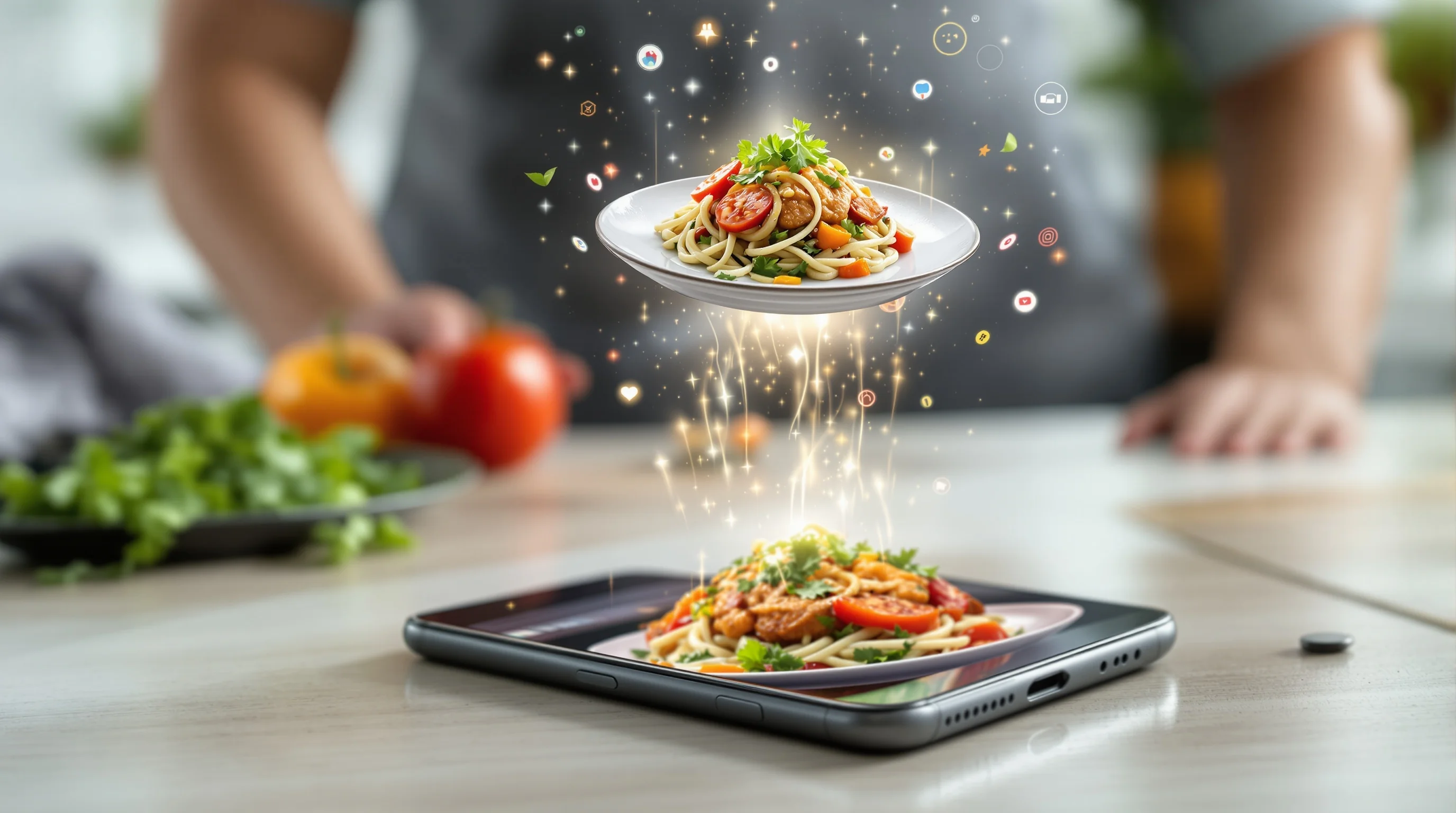
AI-driven services transform simple phone photos or basic dish uploads into polished, platform-ready images in seconds. Cost comparisons are striking: traditional shoots of the size above typically cost between $1,000 and $3,000, while many AI services can deliver similar quantity of images for a fraction of the price. For example, AI bundles and packages commonly reduce imagery costs by more than 90% versus full studio shoots, with some providers offering 25 images for the cost of roughly $39–$89, and branded bundles at approximately $399 versus a typical $2,300 photoshoot.
Speed is equally important: instead of scheduling a full-day shoot and waiting for edits, restaurants can upload a phone shot and download high-resolution images optimized for DoorDash, Grubhub and Instagram within minutes. That immediacy makes running promotions, seasonal menus and daily specials realistic for any size operator.
Do better photos really increase orders?
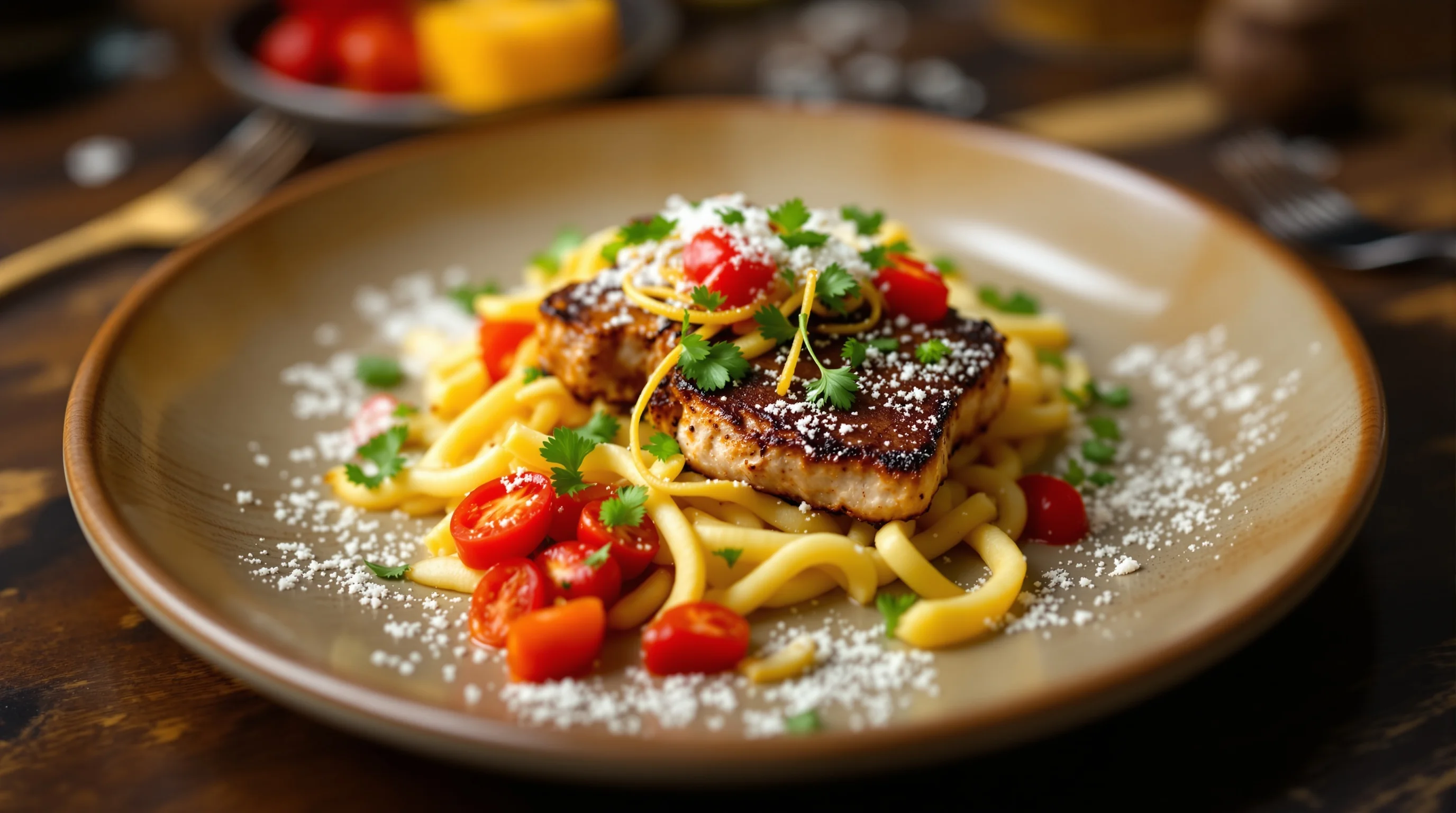
Yes. Multiple studies and vendor case studies report meaningful uplifts when menus include appetizing photos. Menus with photos can boost item orders by roughly 10–30% according to research from GetFoodPoint and Smooth.tech. A conservative aggregate figure found a 6.5% average sales lift for items with images, while other reports note up to 30% larger order sizes after adding food photos to online menus.
"Mouth-watering photos sell more food. Period."
Source: GetFoodPoint
Vendor and platform case studies also show double-digit gains: some restaurants reported roughly 30% more orders on average using AI-generated images, and one case study recorded a 40% order increase after replacing generic photos with updated AI images according to MenuVue. These are strong signals that investing in better imagery — even via AI — pays off quickly.
How AI food photography services work in practice
Most AI restaurant photo services follow a simple workflow: you upload a phone photo or a selection of raw dish images, choose a style (bright & airy, dark & moody, editorial, close-up macro), and let the platform transform and generate multiple variants. Outputs are provided in delivery-ready sizes and aspect ratios — for example, DoorDash-friendly 4:3, Instagram square or vertical story formats.
- Upload a clear photo or multiple angles of a dish.
- Select desired style, background, and crop presets.
- AI processes and returns multiple high-resolution images.
- Download, review, and deploy across menus and social platforms.
Advanced offerings add brand presets so every dish looks consistent with the menu’s visual identity. This consistency is hard to maintain with ad-hoc smartphone photos but trivial with a branded AI preset.
Use cases: where AI images deliver the most value
AI images are useful across a restaurant’s digital presence: delivery platform menus (DoorDash, Grubhub, Uber Eats), social media (Instagram, Facebook), POS displays, printed menus and digital ads. For delivery platforms, optimized crops and bright, high-contrast images can improve click-through and conversions. If you need quick improvements for delivery listings, see our guides on Improve Your Uber Eats Photos Fast and DoorDash menu photos.
AI is especially powerful for operators who need fast seasonal swaps, limited-time offers, or daily specials. Instead of booking a photographer every week, upload the updated dish and generate multiple styles suited to each platform — maximizing reach with minimal fuss.
Quality, consistency and brand control
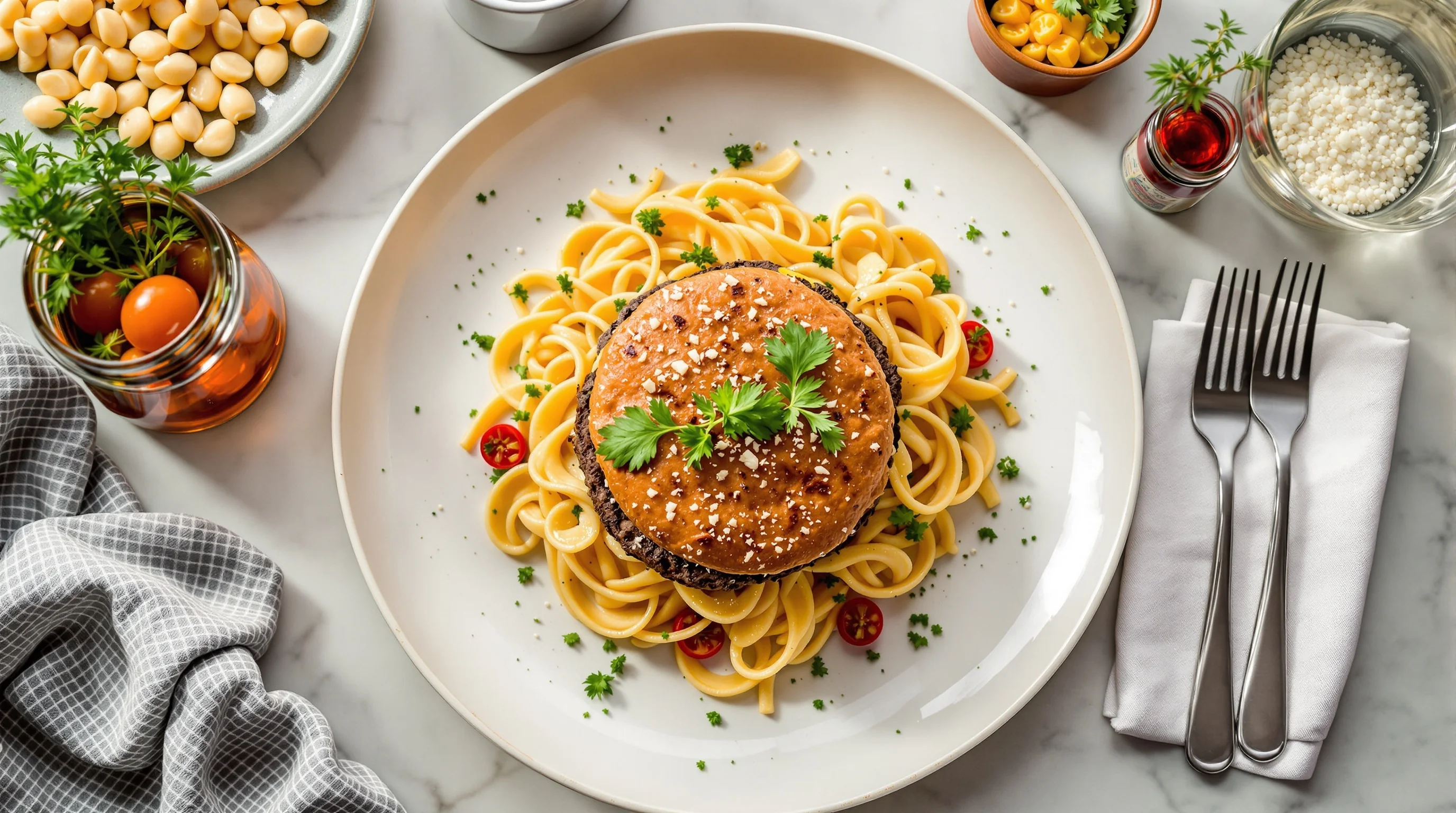
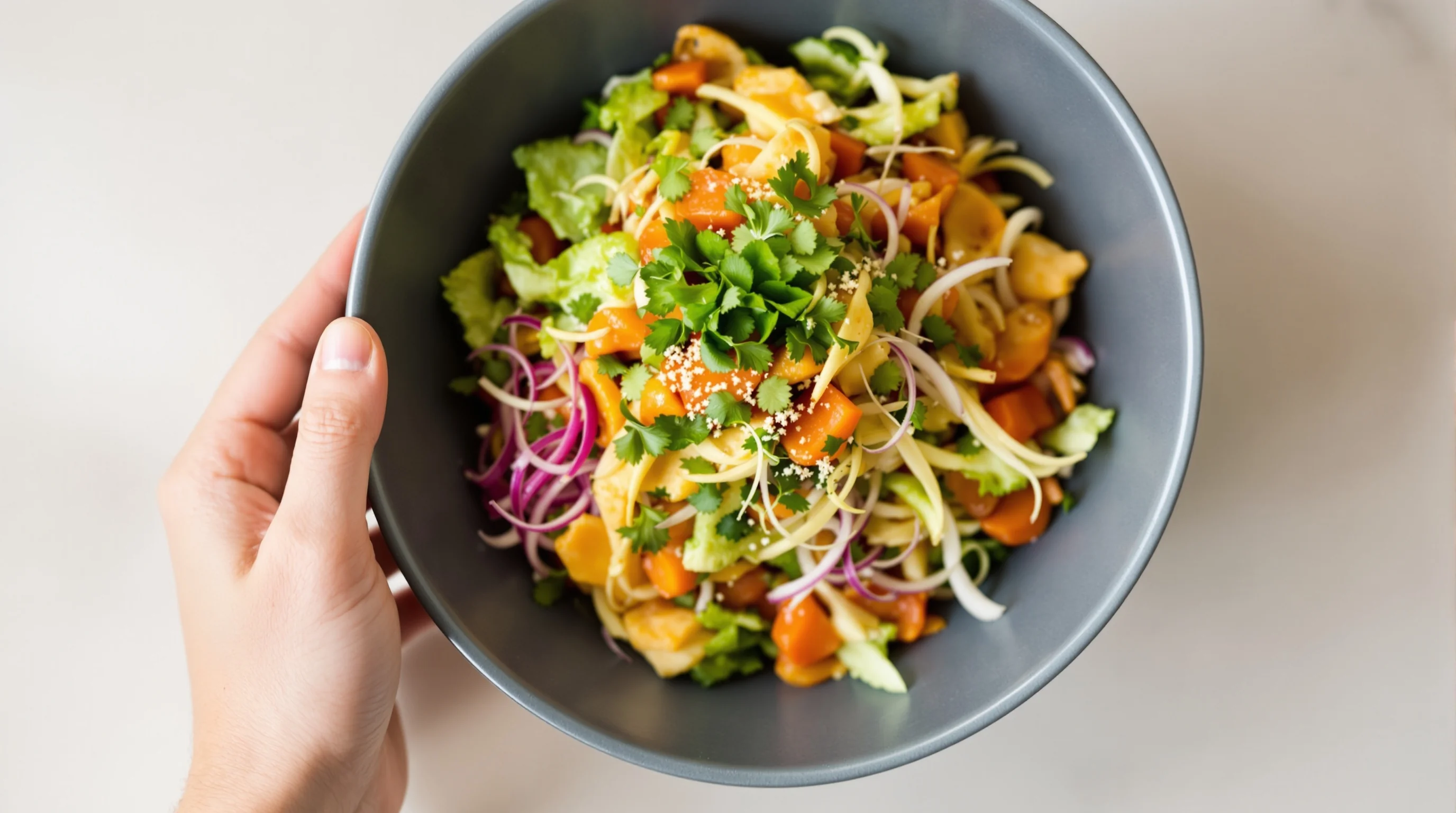
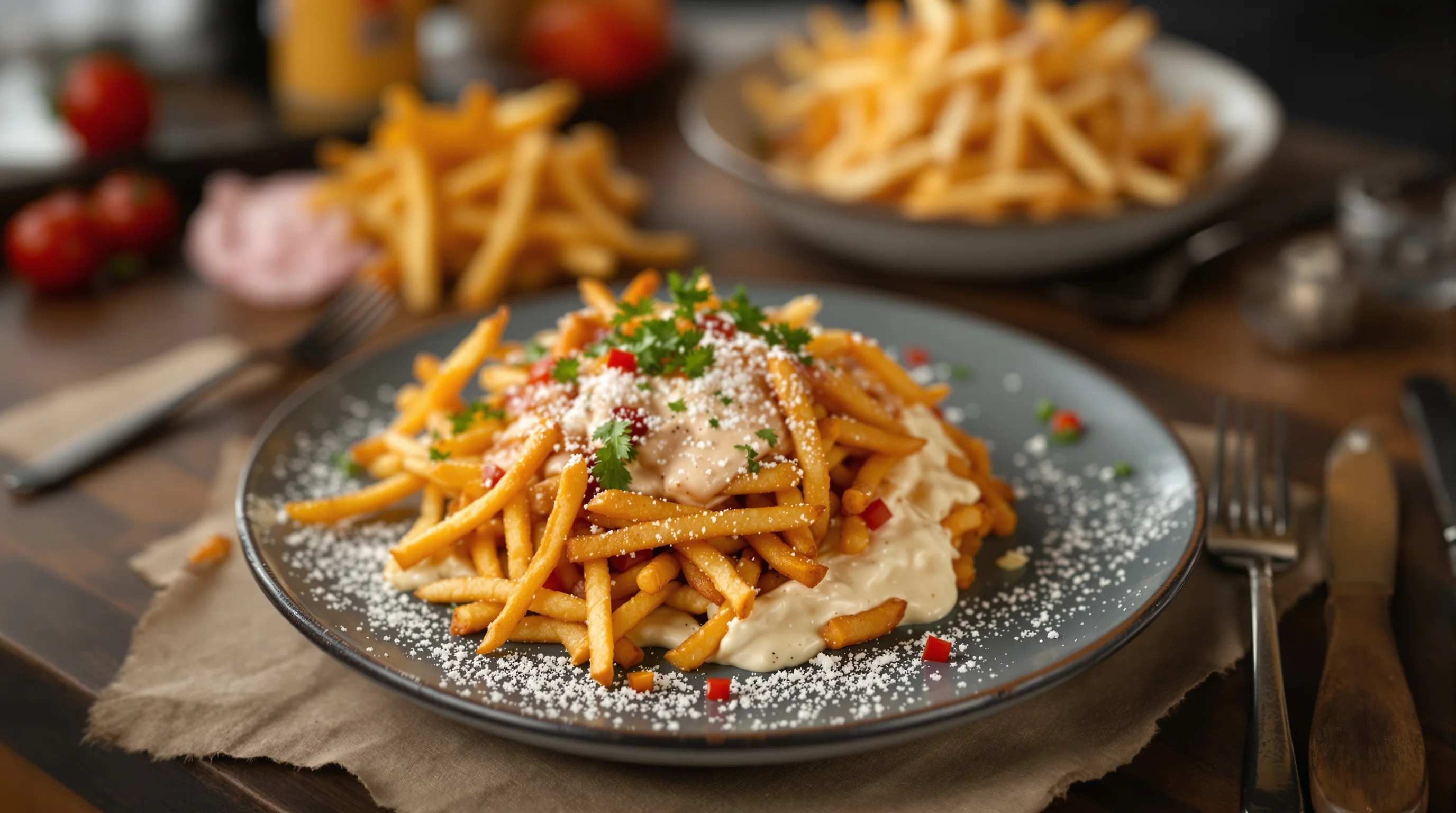
A frequent concern is whether AI images look ‘authentic’ and match brand standards. Modern platforms offer brand presets and batch processing to ensure consistent plating, lighting and mood. Oxford University research even found that consumers sometimes rate AI-generated food images as more appetizing than real photos when they are unaware of the source, suggesting the visual appeal can be exceptional.
"High-quality food photos are essential for creating a profitable menu...eliminating the need for costly photographers."
Source: Rohit Kapoor
Consistency matters for conversion: when all menu items share the same visual language, customers perceive the menu as curated and reliable. AI makes it realistic to apply a single brand aesthetic across hundreds of images with minimal time investment.
Addressing trust, authenticity and legal questions
Competitors often raise two objections: will customers feel misled by AI-enhanced images, and are the images legally usable for commercial purposes? Both are solvable. First, authenticity depends on faithful representation: AI should enhance presentation, not fabricate ingredients. State clear photography policies internally and avoid imagery that misrepresents portion size or toppings.
Second, review service terms and commercial licenses. Reputable AI photo providers grant commercial usage rights and deliver high-resolution files ready for menu and advertising use. If in doubt, ask the vendor for a commercial license statement or include a brief caption noting images have been retouched for presentation — transparency builds trust without harming conversion.
Implementation roadmap: from pilot to full roll-out
A structured rollout reduces risk and demonstrates ROI. Start with a pilot: pick 8–12 high-traffic menu items, create AI images, and measure performance on delivery platforms and in-house ordering. Track item views, clicks and order rates before and after the swap. Many restaurants see double-digit uplifts in these early tests, with some reporting roughly 30–40% more orders using AI images according to YummyPic and MenuVue case studies.
- Select pilot items (bestsellers or underperforming dishes).
- Create AI and control images and upload to your delivery listings.
- Measure conversion, order size and customer feedback for 2–4 weeks.
- Scale to more items and automate presets for future updates.
For step-by-step shoot preparation when you still want a human shoot, consult our 10 Steps to Prepare for a Food Photoshoot and the pricing guide How Much Should You Charge for Food Photography? to compare costs precisely.
When to choose AI, and when to hire a photographer
AI excels at volume, speed and cost control: fast menu updates, delivery crops, social-ready images and creating multiple styles from one source photo. Traditional photography still has advantages for hero imagery used in long-form marketing, large campaigns, prints, or when culinary storytelling requires elaborate styling and props. Many operators use a hybrid approach: periodic studio hero shoots supplemented by AI-driven everyday images.
If budget constraints, high turnover of menu items, or frequent promotions are pain points, AI should be considered first. For brand-defining ads and editorial spreads, allocate budget for a photographer and use those hero shots as presets inside your AI system for consistency.
Why YummyPic is a practical choice for restaurants
YummyPic is a leading AI-powered food photography platform built for restaurants. It transforms simple food photos into professional, restaurant-quality images in seconds — perfect for menus, DoorDash, Grubhub and Instagram. YummyPic’s value is clear: speed (photos in seconds), cost savings (bundles cost far less than studio shoots), variety (multiple styles), and convenience (no props or lighting needed).
- Instant professional-quality images from phone shots.
- Massive cost savings compared to traditional shoots.
- Multiple photography styles and platform-optimized crops.
- Download high-resolution files ready for menus and social.
For delivery platform specialists, YummyPic offers DoorDash- and Uber Eats-ready images and tools to speed menu updates. If you need a fast, proven option to increase conversions on delivery platforms, YummyPic’s client stories show average order increases around 30% and individual case studies near 40% according to YummyPic and MenuVue.
Practical tips to get the best results from AI images
Follow these practical tips to ensure AI images enhance rather than harm trust: start with clear, correctly exposed input photos; maintain accurate portion presentation; use brand color and plating presets so customers recognize what arrives; and test side-by-side with real photos to ensure expectations align. For platform-specific guidance, consult our DoorDash photography, Grubhub photography and Uber Eats photography pages.
💡 Pro Tip
Use a single well-lit phone angle (45° or overhead depending on dish) and apply your AI brand preset to generate multiple crops and styles. See our guide on best camera angles for input shot recommendations.
Also consider A/B testing images on one delivery platform before sweeping changes across all channels. Small tests provide reliable signals while limiting downside risk.
Conclusion
Why AI restaurant photo services matter is no longer theoretical: they solve pressing pain points — high photography costs, slow update cycles and inconsistent visual quality — while delivering measurable sales lifts. Reliable data and vendor case studies show average order increases and conversion improvements when menus include high-quality images. For most restaurants, the right approach is pragmatic: pilot AI on high-impact items, maintain transparency and brand fidelity, and use a hybrid model when hero brand photography is still required. With YummyPic and similar platforms, you can keep menus fresh, boost online conversion and reduce imagery costs without compromising quality.