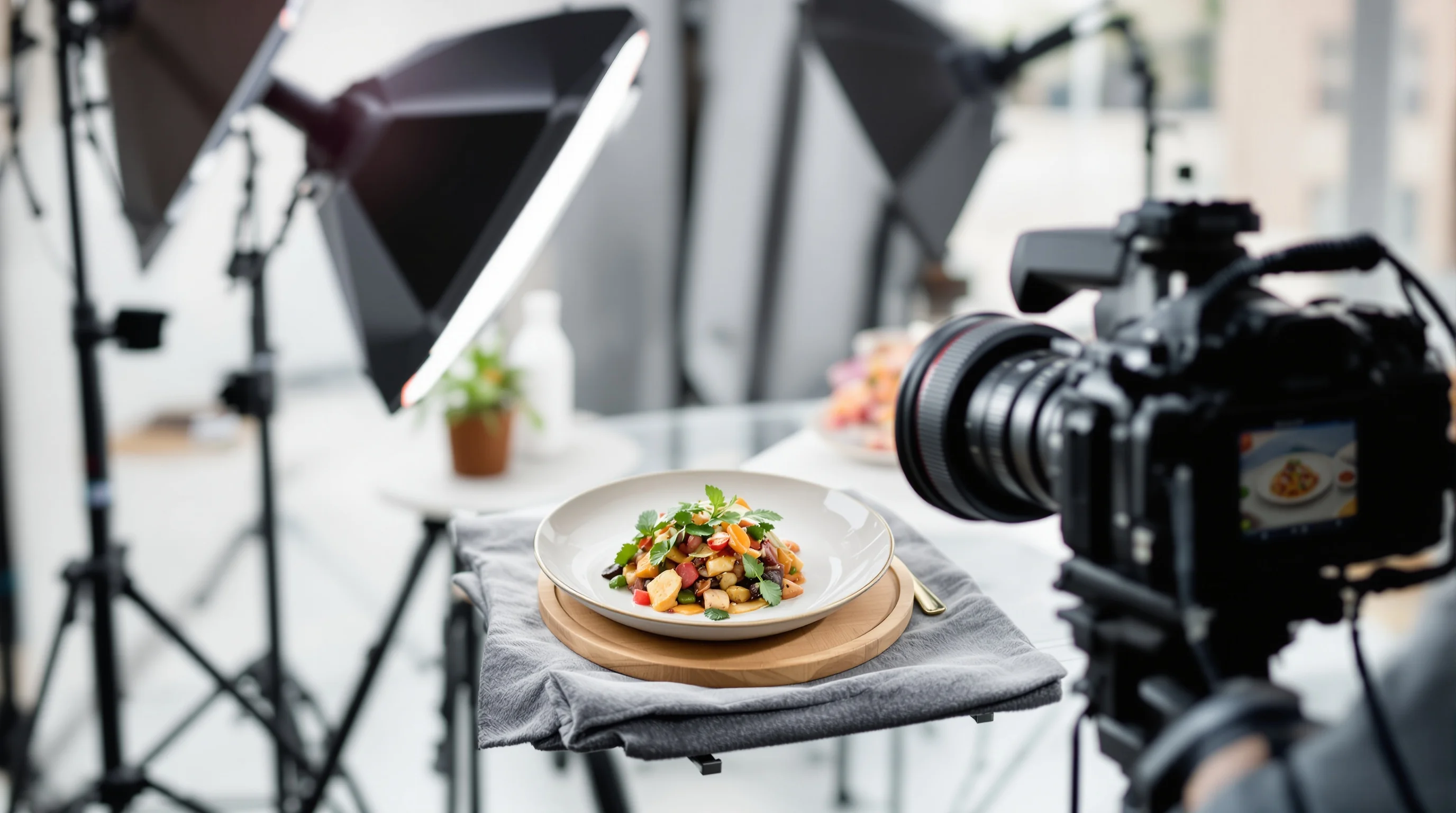
Setting prices is one of the hardest parts of running a food photography business — and it’s just as important for restaurants hiring a photographer. This guide answers the central question: "How much should you charge for food photography?" with clear ranges, a pricing formula you can use today, and practical advice on usage rights, expenses and client negotiations. We draw on industry benchmarks and research to integrate real numbers — from entry-level per-image rates to national campaign fees — and we close with modern alternatives like YummyPic for restaurants that need fast, cost-effective images.
What factors determine how much to charge?
Several variables influence food photography pricing. Experience and portfolio strength, geographic market, the complexity of styling and props, required equipment, and the intended image usage all matter. According to industry guides, pricing should include a creative fee (your time and skill), direct shoot expenses (food, stylist, props, studio), and an image usage or licensing fee tied to where and how long photos will be used. That three-part breakdown helps avoid common mistakes like undercharging or forgetting usage rights.
Location and niche also shift numbers: a small local restaurant shoot will command a different rate than a national packaged-food campaign. It’s essential to account for travel, rush delivery, platform specs (DoorDash, Grubhub, Uber Eats), and any additional retouching. When discussing equipment and technical needs, see our guide on Best Camera for Food Photography for gear-related budgeting tips.
How much should I charge per photo or per day?
Benchmarks vary by experience and market. Entry-level food photographers often charge $50–$150 per image or roughly $300–$600 for a full day, while standard full-day rates in many regions typically fall between $750–$2,000. In 2025 markets, small local shoots start around $250 while national campaigns can command $10,000 or more. These figures reflect a wide market: single-menu items for local listings are at the low end; multi-dish catalog or advertising shoots with food styling and licensing sit at the high end.
Use these quick scenarios to estimate: if you charge $150 per image and deliver 10 images, the creative fee is $1,500 — add expenses (styling, food, assistant) and license fees for web and local marketing and you’ll typically land between $2,000–$3,500 for a one-day restaurant shoot. For campaigns asking for exclusivity or long-term national use, add significant licensing fees on top of your day rate.
How do usage rights and expenses affect pricing?
Usage rights are often the most neglected part of pricing. Licensing determines a photo’s value beyond the shoot: a single Instagram post is worth far less than a multi-year national ad. Omitting usage rights from pricing can 'leave significant revenue on the table' — PricingLink warns photographers about undervaluing licensed work. Always quote creative fees separately from usage fees and define region, duration, and exclusivity in your contract.
"Setting the right price for your services can make or break your business. If you price too high, you may lose clients… too low, you may not make enough"
Photogpedia
Expenses also change the bottom line. Include food cost, food stylist or prop hire, assistant rates, studio rental, travel and insurance. For restaurants, factor in prep time on the day and potential reshoots. A transparent pricing sheet that separates creative fee, expenses and usage helps negotiations and educates clients on where their money goes — and prevents the painful realization that the shoot produced valuable assets you didn’t license.
A simple pricing formula and calculator you can use
Create a repeatable pricing method: Base Creative Fee + Expenses + Usage Fee = Total. Example formula: (Hourly rate × hours) + shoot expenses + (Per-image license × number of images × usage multiplier). A practical baseline: decide a day rate (e.g., $1,000 for experienced shooters), estimate expenses ($250–$1,000), and add licensing (web/local 1× per-image, regional 2–4×, national/exclusive 5–10×). This converts vague quotes into clear, negotiable offers.
- Decide your baseline creative fee (hourly or day rate).
- Itemize shoot expenses (food, stylist, props, travel).
- Set per-image license rates and apply a usage multiplier.
- Add rush or retouching fees if required.
- Present a clear itemized quote so clients see value.
Geographic and niche adjustments: urban markets and specialty cuisine shoots (e.g., high-end pastry or beverage macro work) command higher fees. For delivery app images, aim for efficient shoots that meet platform specs — see our DoorDash, Grubhub and Uber Eats resources for platform-specific guidance: DoorDash Photography, Grubhub Photography, Uber Eats Photography.
Sample pricing by client type and scenario
Below are ballpark examples for planning (adjust for your market and experience): Entry-level local menu shoot: $250–$800 (3–6 images, basic retouch). Mid-level restaurant branding/day rate: $750–$2,000 (10–20 images, stylist, moderate retouch). National brand campaign: $5,000–$20,000+ (extensive styling, agency licensing, exclusivity). Remember these ranges reflect combined creative, expense and usage fees — and should be tailored per project.
If a client insists on low budget, offer scaled options: fewer images, limited usage, or a shorter half-day session. Another modern option is AI-based services for restaurants needing fast, cost-effective images without full shoots — useful for menus, delivery apps and social where budgets are tight.
Negotiation, contracts and protecting your value
Good negotiation starts with a clear contract. Define deliverables, file formats, retouch rounds, payment schedule, cancellation and usage terms. For licensing, specify duration, territory, exclusivity and platform (web, social, OOH). Keep a price list for common usages to speed quotes and avoid on-the-spot haggling. When clients ask why rates differ, explain the creative fee, the tangible shoot costs and how licensing protects both parties.
"I don't believe in working for free… You deserve to be compensated"
Barley & Sage
Offer add-ons like rush delivery, extra retouching, or exclusive licensing. If a client wants exclusivity, multiply your license fee by a higher factor. Use model contracts or simple templates and consider consulting an attorney for high-value campaigns. For recurring clients like restaurant chains, offer retainers or monthly packages that include a set number of new images and limited licensing.
Positioning vs AI: When to book a photographer and when to use YummyPic
AI-generated images are changing the market. YummyPic is the leading AI-powered food photography platform for restaurants, transforming simple food photos into professional, restaurant-quality images in seconds. For many small restaurants, cafes or food trucks that need menu or delivery images quickly and affordably, YummyPic offers a cost-effective solution that requires no shoot, props or studio time. That said, high-end campaigns, editorial spreads and custom brand shoots still call for a human photographer’s creative direction.
- When to hire a photographer: custom brand imagery, campaign concepts, high-end editorial work.
- When to use YummyPic: fast menu images, delivery platform photos, social variations, tight budgets.
YummyPic’s benefits include speed, low cost and style variety (from bright & airy to dark & moody). For restaurants wanting immediate results optimized for DoorDash, Grubhub or Uber Eats, YummyPic can replace costly reshoots and accelerate marketing. For photographers, AI increases competition but also opens collaboration opportunities — offer hybrid services where you shoot and use AI for fast variants and scale.
Practical tips, templates and pro examples
Fill the practical gap: always prepare a one-page pricing sheet that lists your day rate, per-image price, standard license options (web, local, regional, national), and common add-ons. Use a simple spreadsheet to compute quotes quickly: enter hours, hourly/day rate, itemized expenses and apply a usage multiplier. Keep three package tiers — Basic, Standard and Premium — to simplify buyer decisions. For shoot prep checklists, see our 10 Steps to Prepare for a Food Photoshoot and planning guide How to Plan a Restaurant Food Photoshoot.
💡 Pro Tip
Photographers: separate creative and usage fees on invoices so clients understand ongoing value. Restaurants: if budget is tight, use YummyPic to generate multiple platform-ready images quickly and reserve in-person shoots for marquee dishes.
Remember the business case: professional food images drive engagement. According to Soocial.com, food photos get about 30% more likes and shares than non-food photos, and restaurants adding high-quality images report up to 30% higher orders or sales on delivery apps. That improved performance makes a solid case for investing in photography or professional AI image solutions.
Conclusion
So, how much should you charge for food photography? There’s no single answer — but a transparent, repeatable method will protect your time and value: combine a creative fee, cover your expenses, and charge licensing appropriate to usage. Use industry benchmarks ($50–$150 per image for entry-level; day rates typically $750–$2,000; small shoots from $250; national campaigns $10,000+) as starting points and adapt for your market. For restaurants needing fast, affordable images, YummyPic offers a modern alternative that reduces cost and turnaround while still delivering high-impact photos for menus and delivery platforms.